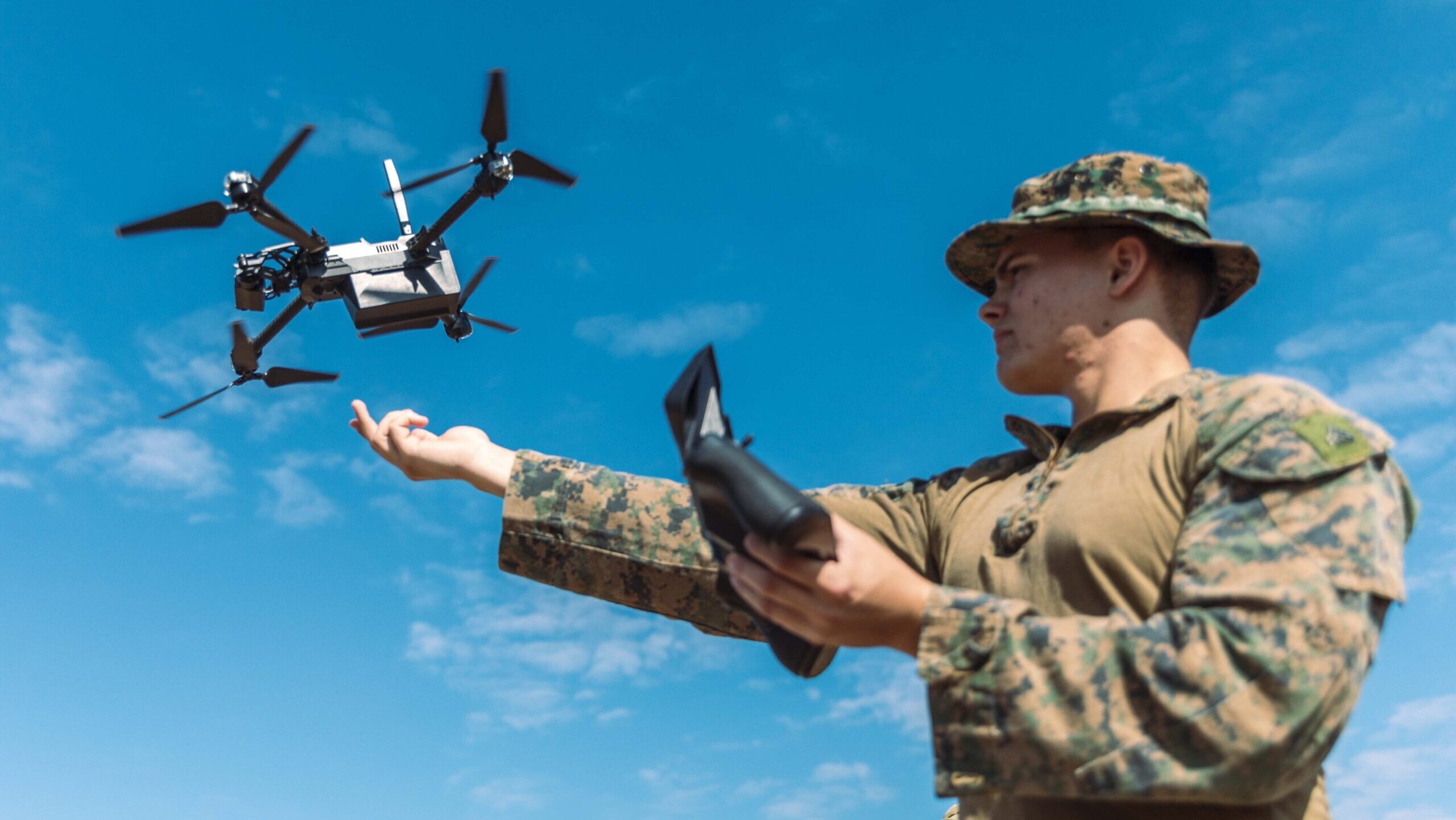
Report: US counter-drone defenses ‘insufficient’ as China scales up unmanned capabilities
Stacie Pettyjohn, a co-author of the new Center for New American Security study, told Breaking Defense the US should focus on three c-UAS tactics.
While billions pour into pharmaceutical biotech, officials and experts warn there’s much less private investment in products more relevant to the military, like body armor materials, anti-corrosion coatings, and explosives.
A Breaking Defense webinar with experts from CDAO, APL, and CNAS gets into the question of defining artificial intelligence vs machine learning.
Without a multi-national force plan to provide aid and security to the vulnerable Palestinian population, the IDF will be unsuccessful in dismantling Hamas, argues Jonathan Lord of CNAS.
"What's really going to matter is how these various departments and agencies actually start building the rules and interpreting the guidance that they received in the executive order," Klon Kitchen of Beacon Global Strategies told Breaking Defense.
“I've had up close and personal experience where [US] leaders responsible for certain areas of technology have given direction that [Australia] is to be brought in because we have something to offer,” said Tanya Monro, “and yet, it still gets strangled.”
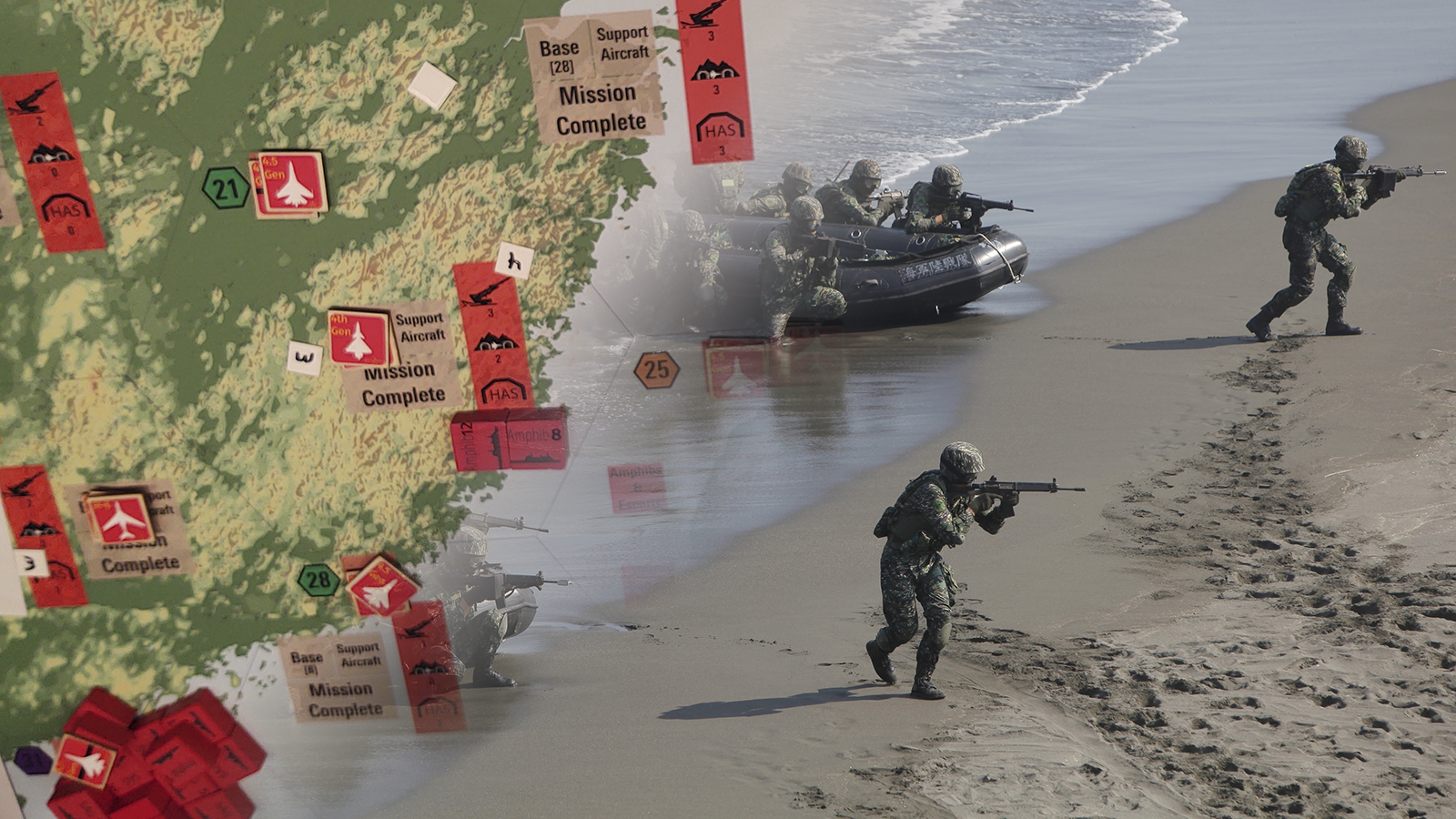
Early results from a DC think tank's wargame suggest the US would prevail in defending Taiwan from China, but at a heavy cost that would leave it ill-prepared for new threats from Russia or Iran.
“A successful U.S. biotechnology strategy will not be about biotechnology on its own; it will connect growth in the biotech industry to broader U.S. strategic objectives [...],” according to a new CNAS report.
Colin Kahl, the undersecretary for defense for policy, said he hopes Russia's troubles in Ukraine are "soaking in" as China eyes Taiwan.
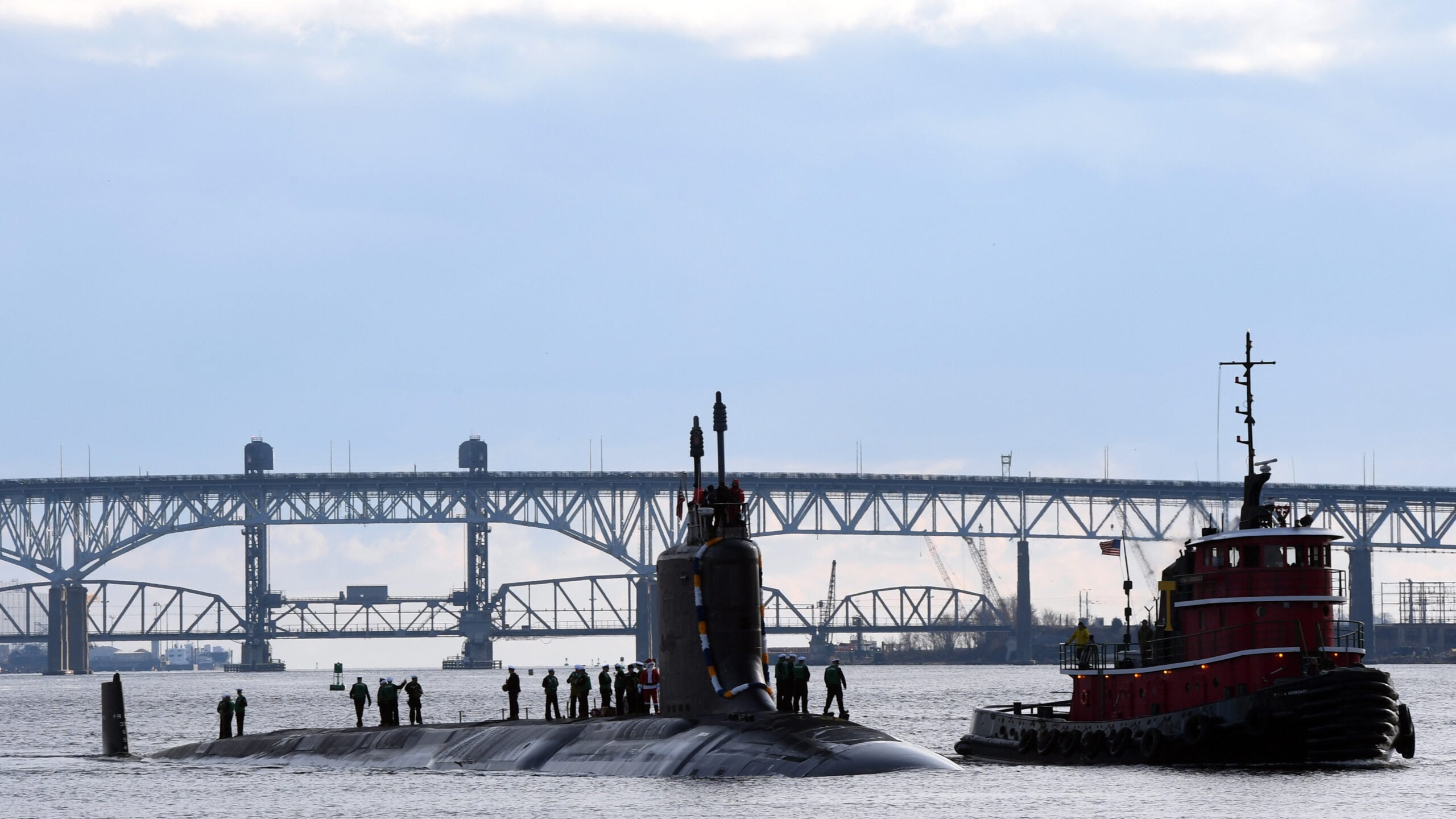
The Navy's pitch to Congress to embrace unmanned technology is changing, analysts say, to one that embraces the 'evolutionary' rather than the 'revolutionary.'
"The United States has not lost focus on the Indo-Pacific region, and [...] Xi should not get any ideas from Putin's aggression,” says Jacob Stokes at CNAS.
Laura G. Brent of the Center for a New American Security argues that cyber weapons have become a built-in part of the geopolitical strategies for governments around the world - and norms of behavior are now in the rear view mirror.
Rather than try to mine strategic minerals, build key technologies, and develop high-tech talent entirely on its own, the US should work together with trusted allies like Australia, the Cyberspace Solarium Commission and other experts argue.
Global recession has slowed down 5G rollouts, and Chinese overreach has alienated customers, a new CNAS study says – but the US also needs a new strategy that offers an alternative to Huawei.